Kovari Collection Process
KOVARI explores the intersection of anti-fashion and industrial heritage, taking the Labin mining tradition as its starting point. The collection revitalises working and ceremonial clothes of Labin miners in a contemporary way by reconstructing patterns and embedding symbols, slogans, and signals drawn directly from the industry's history.
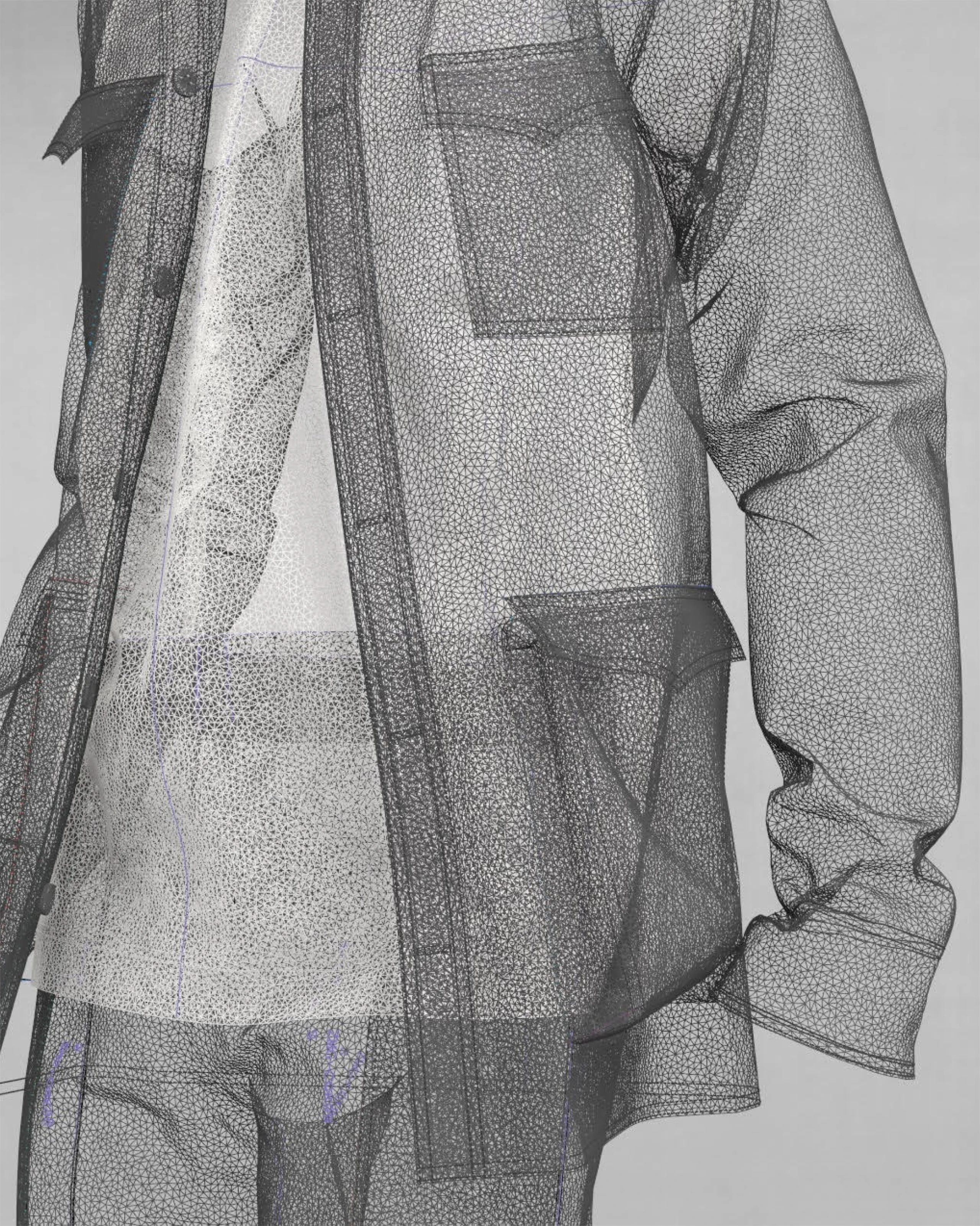
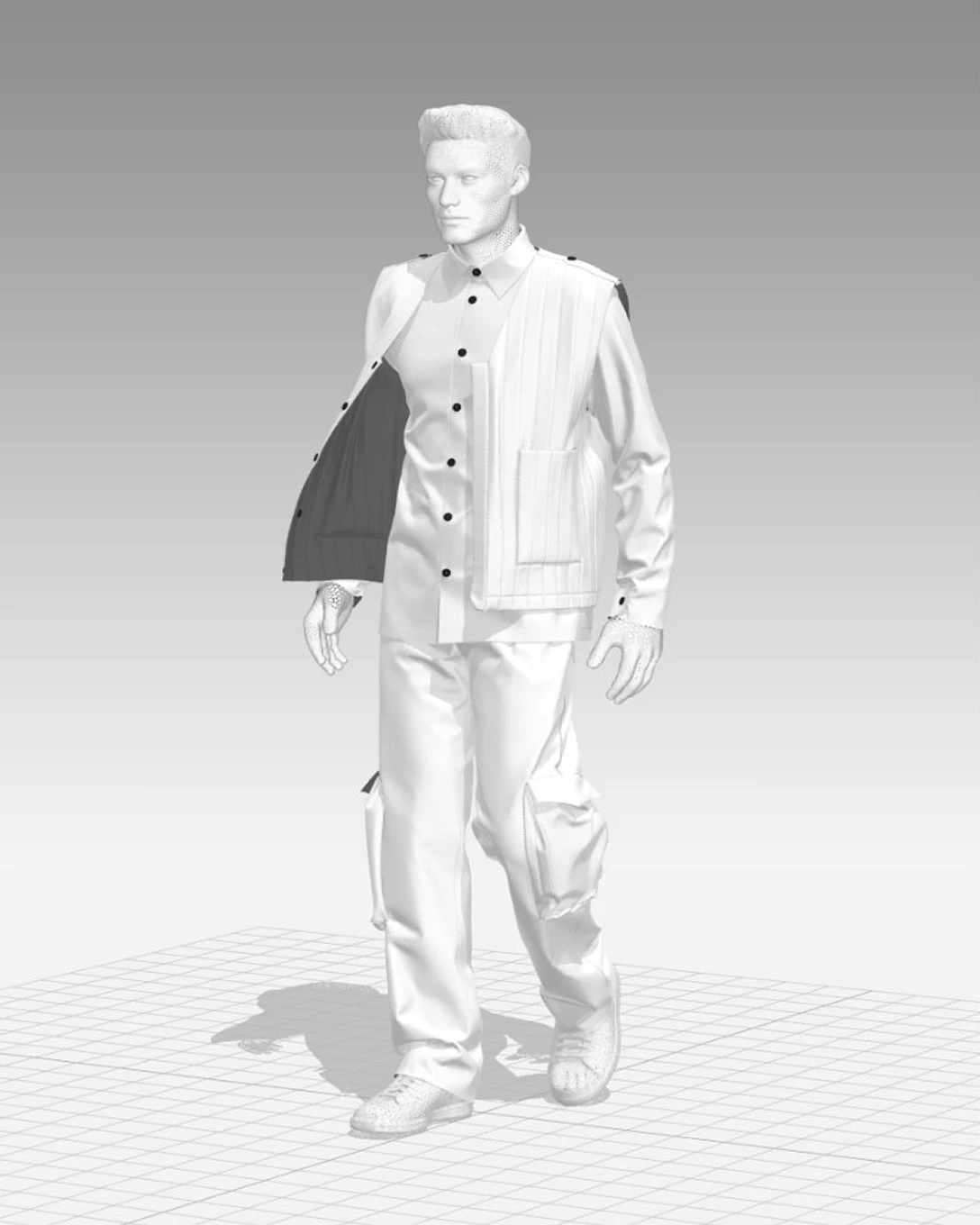
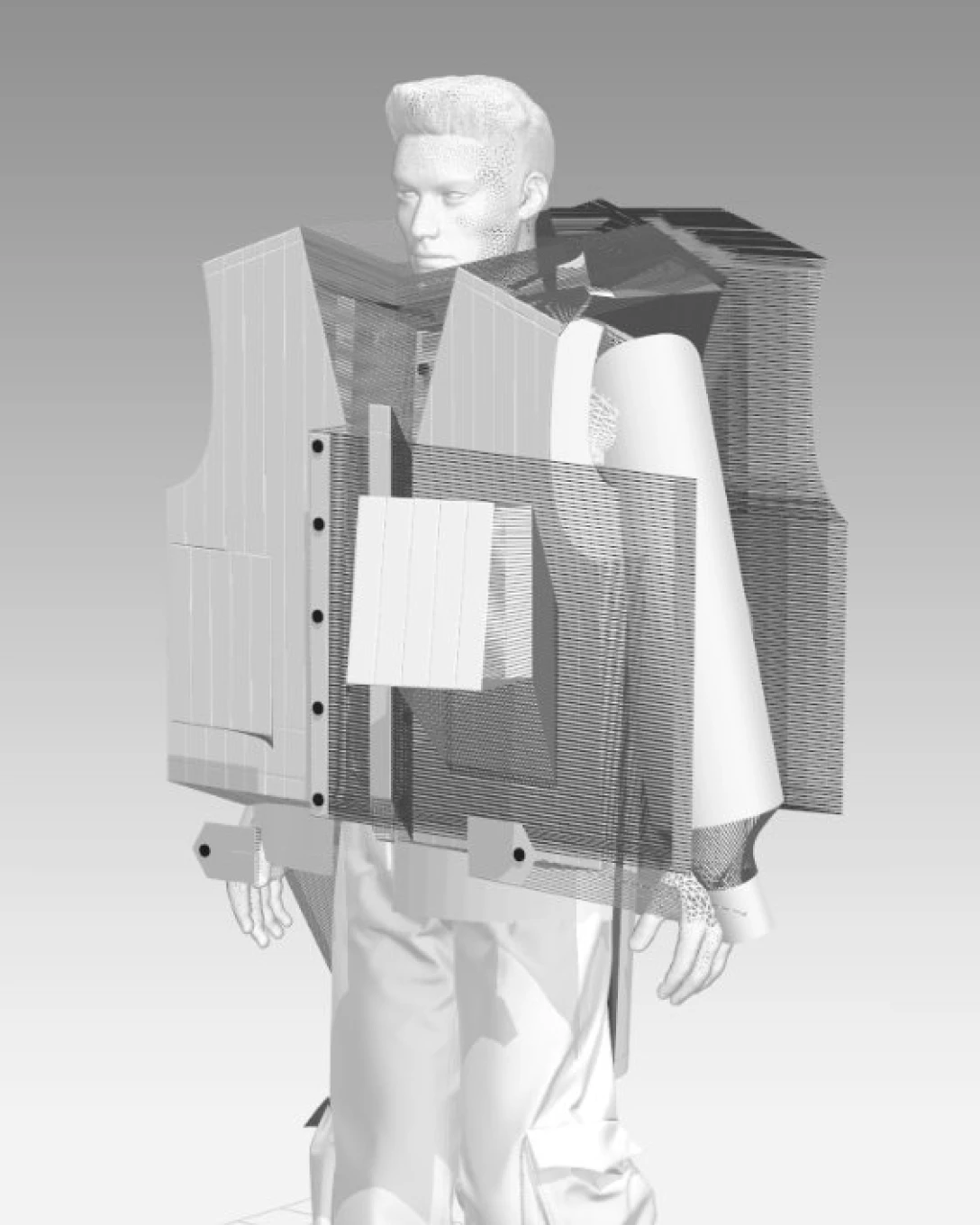
The research focused on Labin's mining history: its labor movements, its visual language, its community built around collective work and shared risk. From that, a design vocabulary emerged - one rooted in function, material, and detail.
Pattern exploration began with workwear construction as a foundation; how a garment is cut for movement, durability, and utility. From there, each pattern was gradually shaped to carry the collection's references without losing the integrity of the original form.
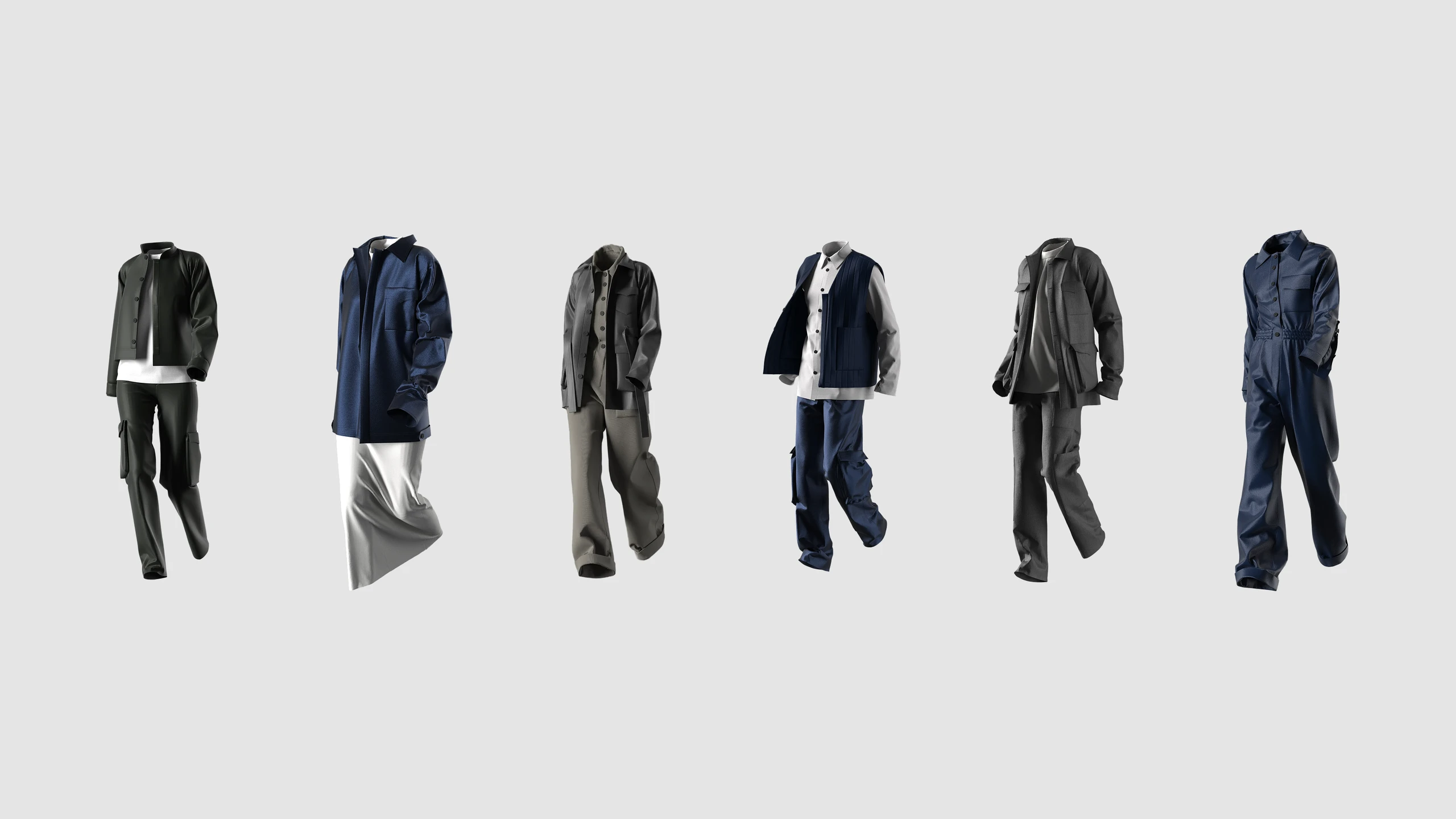
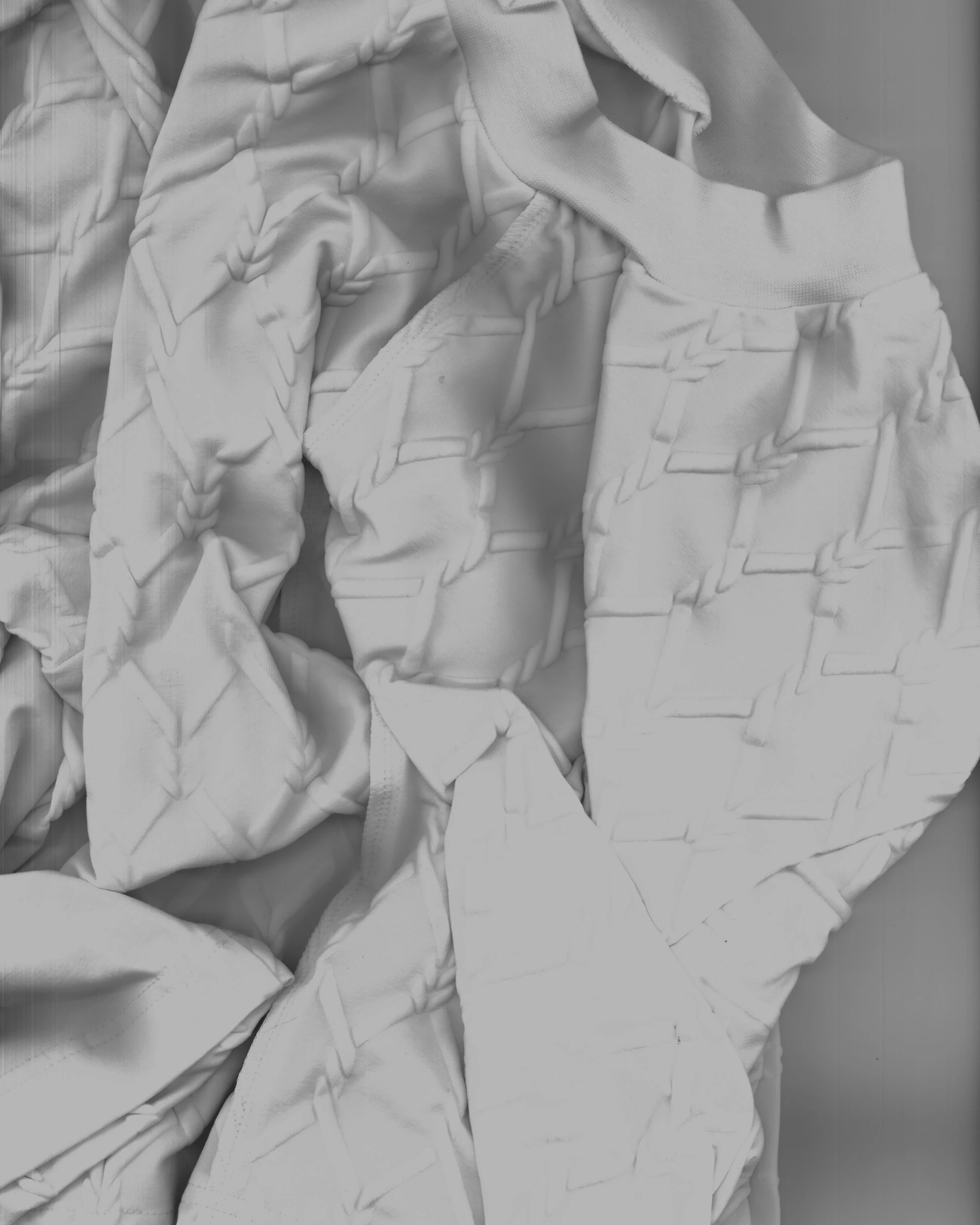
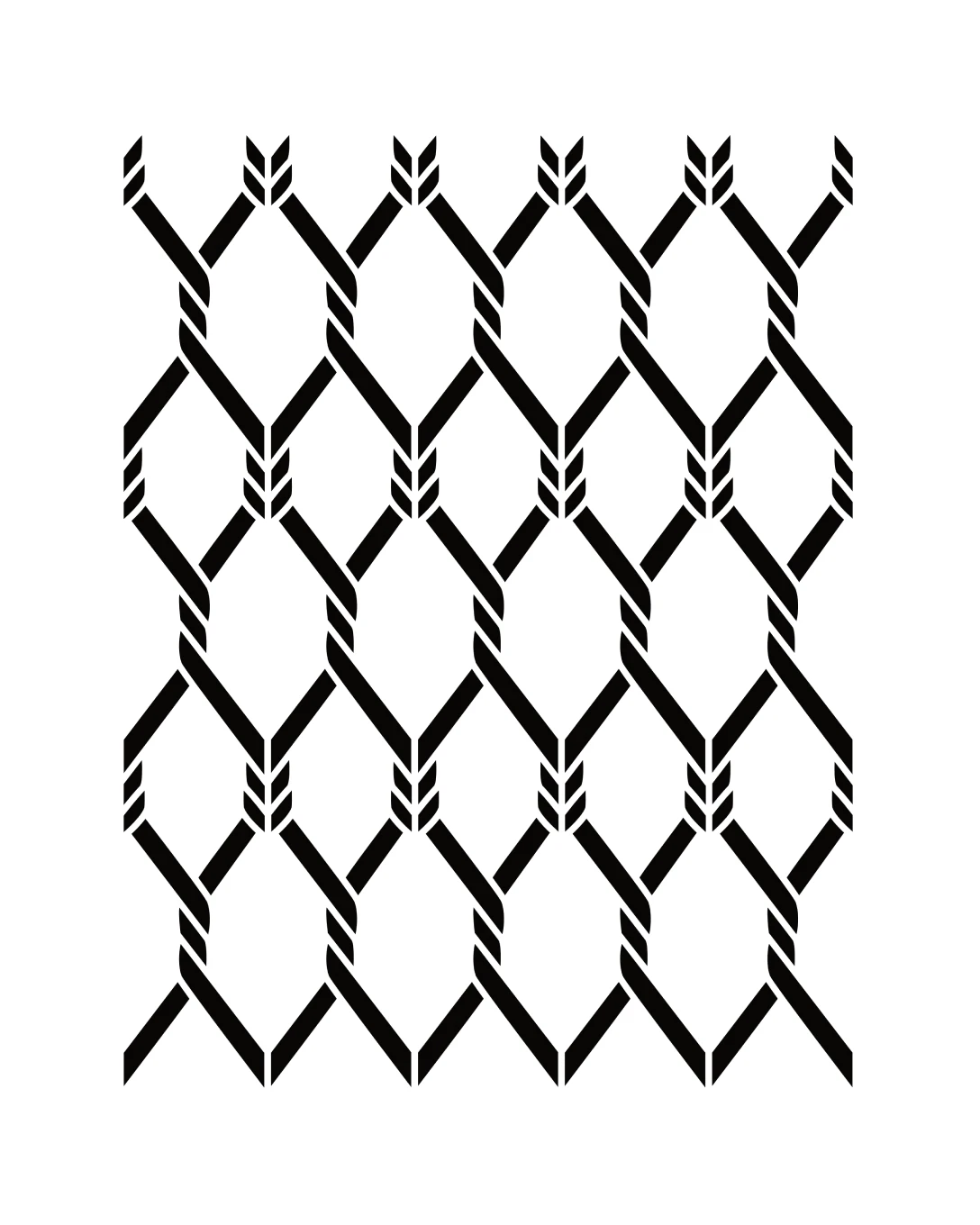
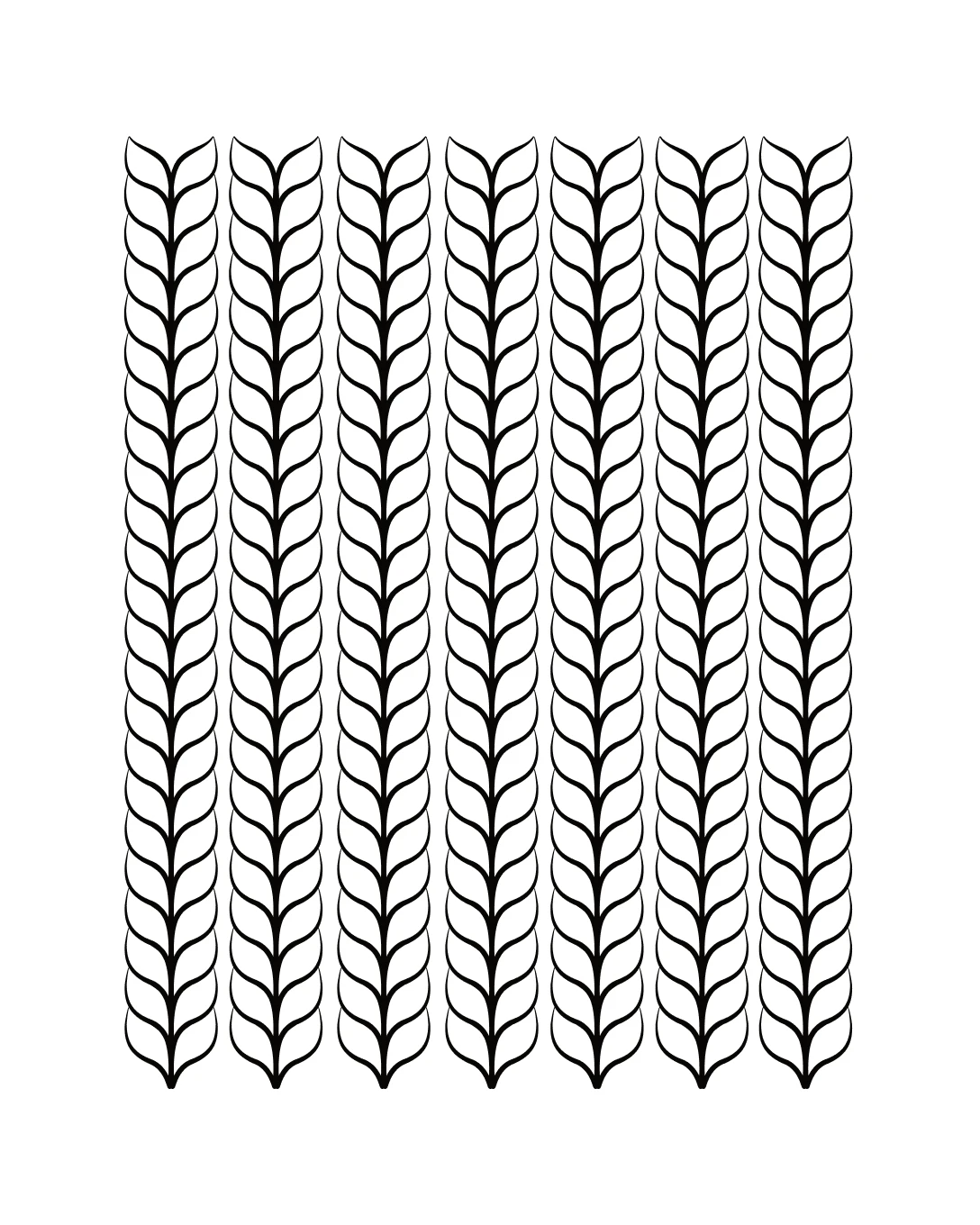
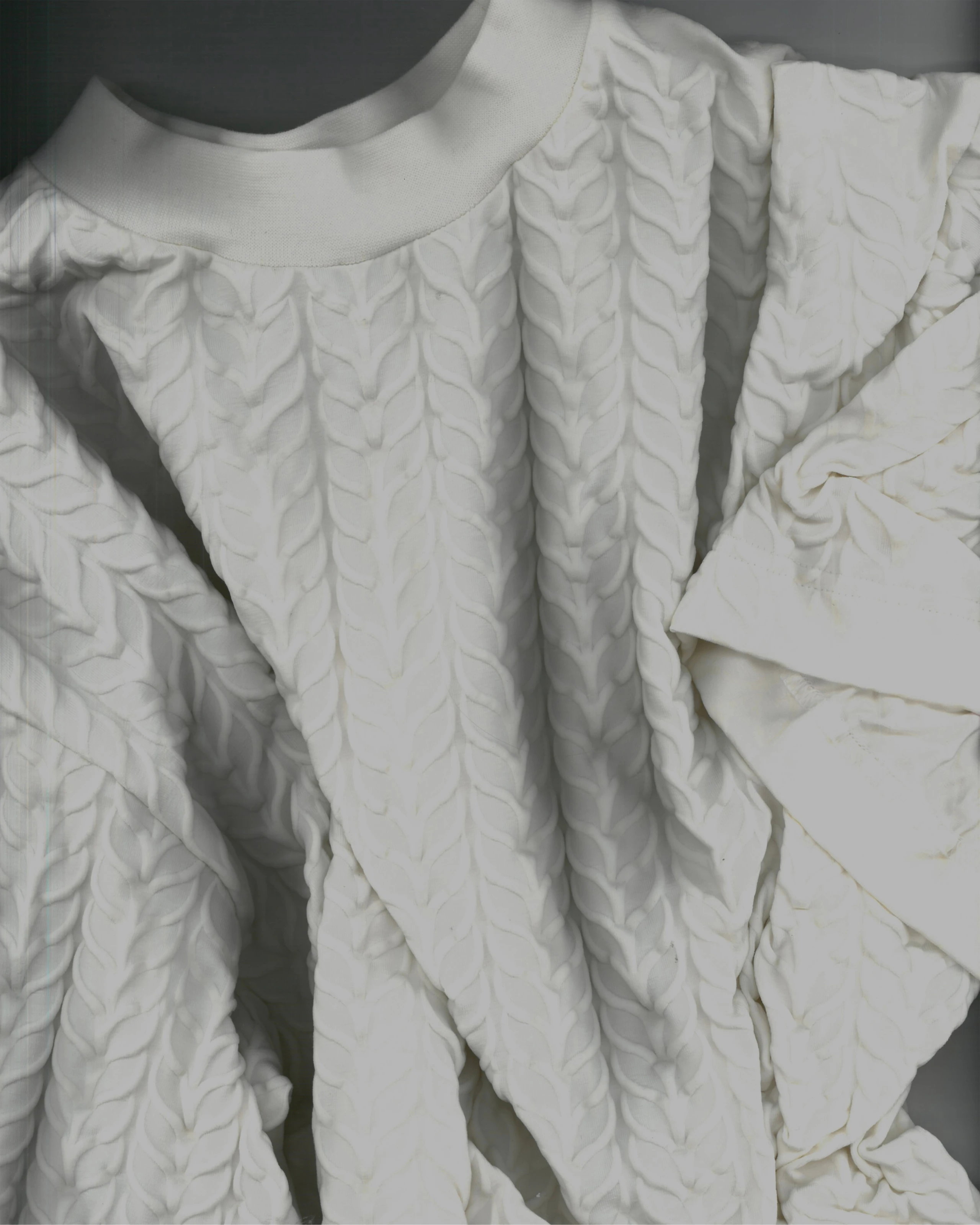
The puff print patterns were custom made, drawn from the underground signal code system: a language of light and sound used for communication and survival, translated into surface detail. The fabric was hand printed before assembly, ensuring the subtle print runs seamlessly across the entire surface.
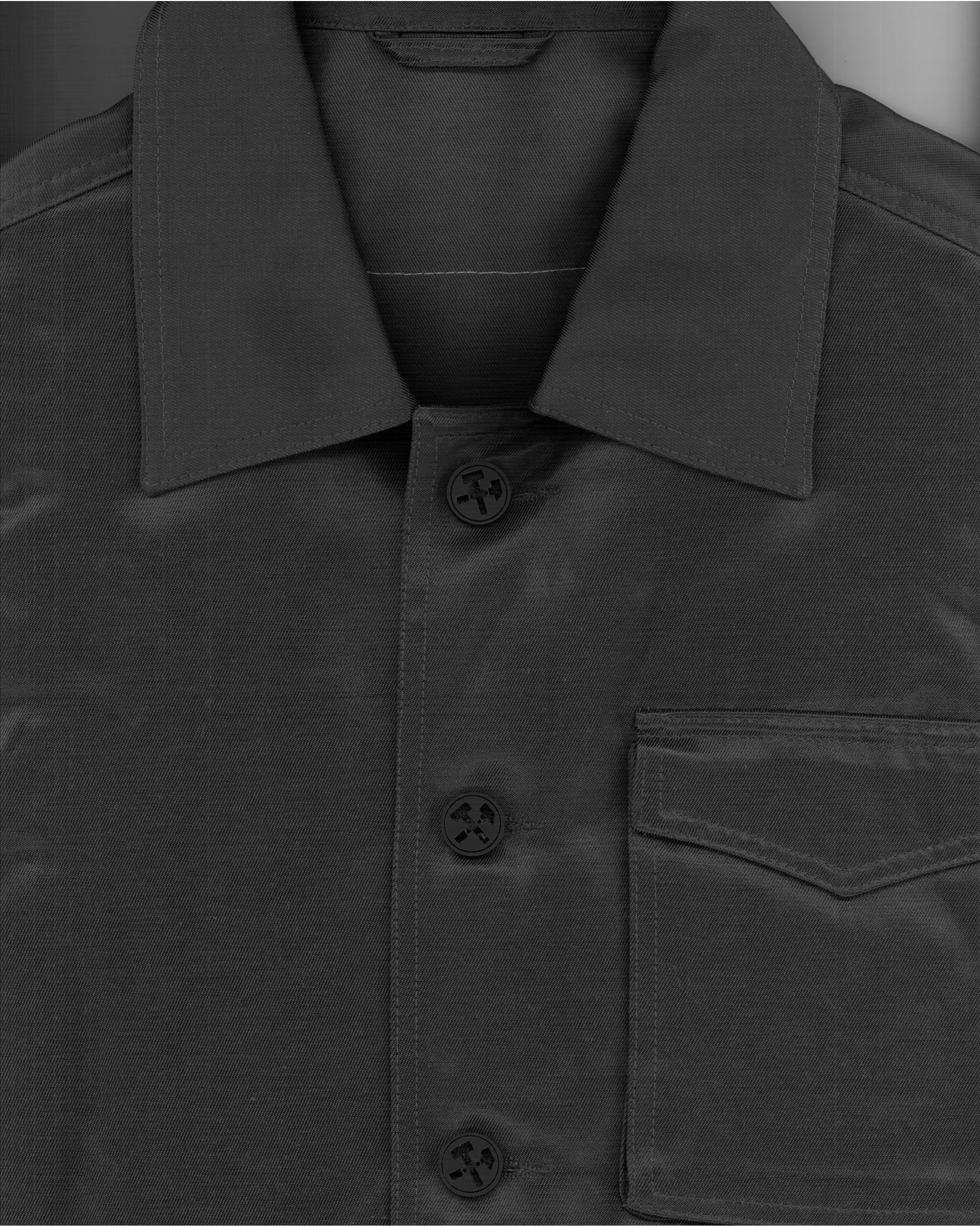
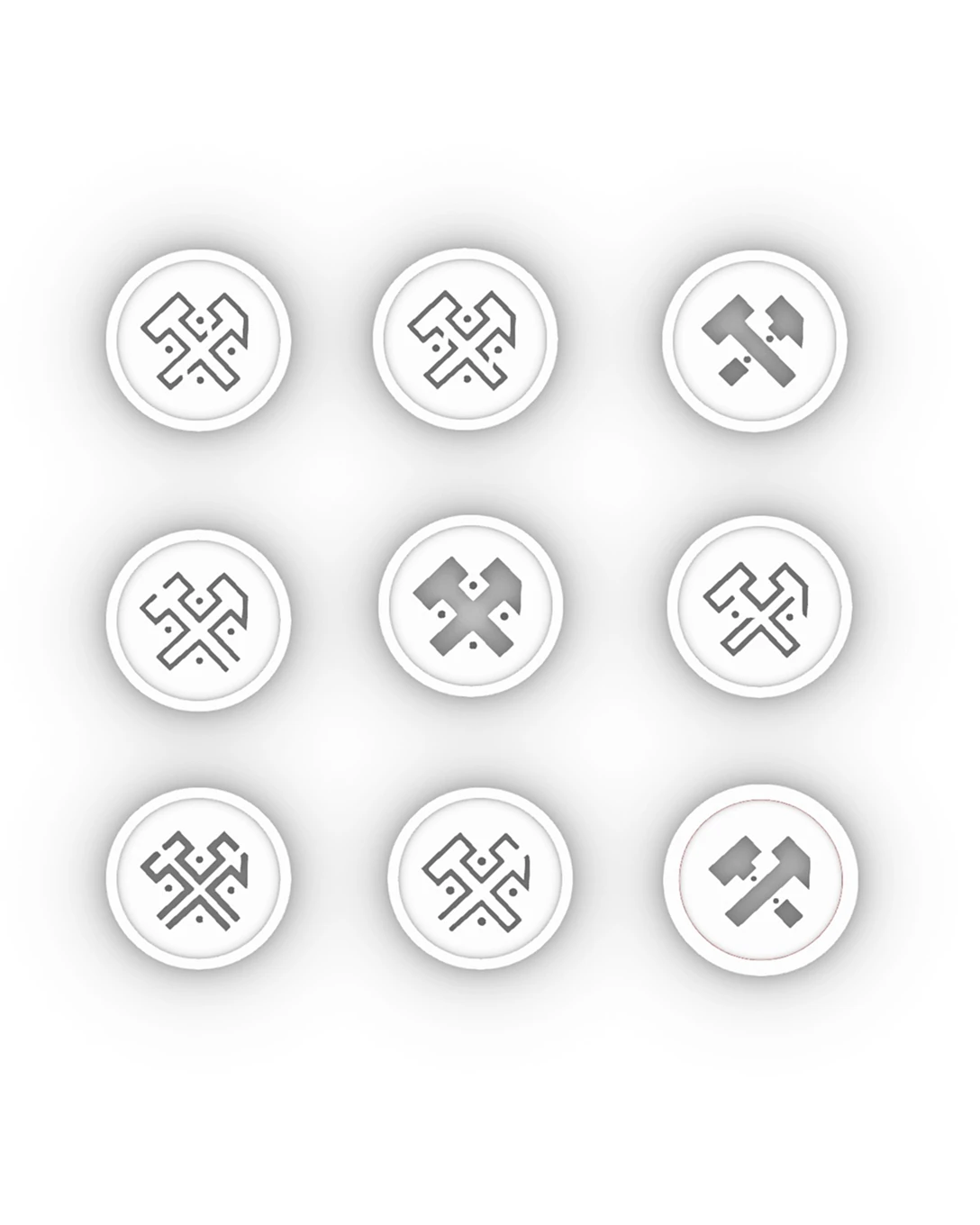
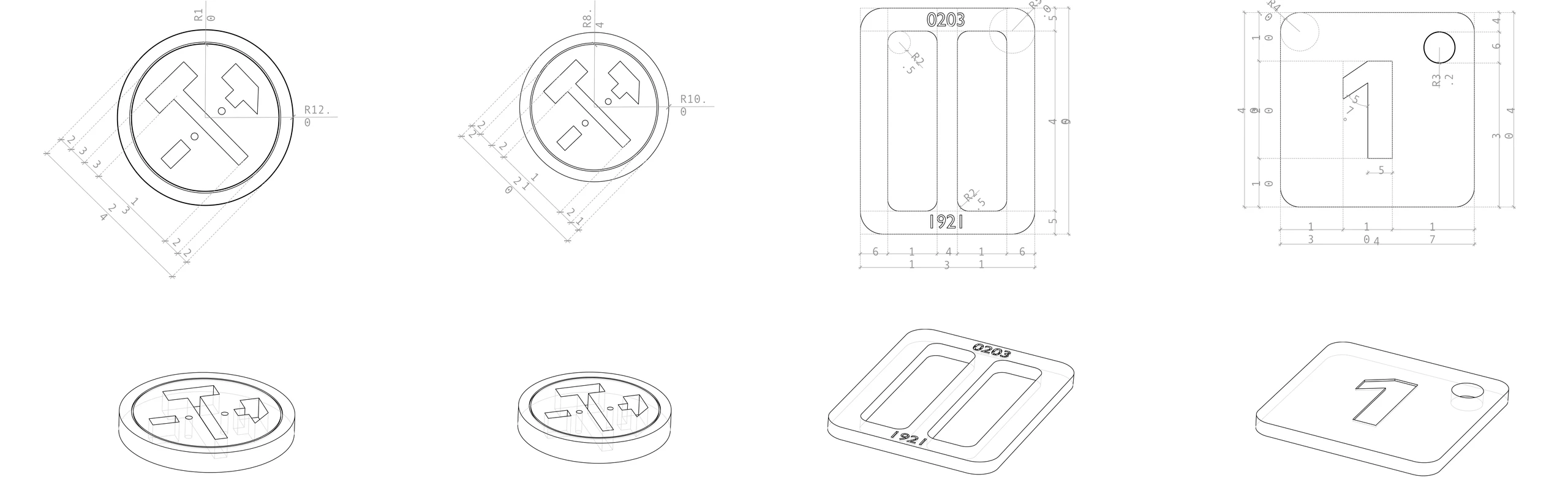
For KOVARI, every detail was designed from scratch. All trims were made from matte black plexiglass, buttons bearing the crossed hammers symbol, laser-cut with precision. Buckles and number plates were drawn as direct analogies to miners' identification tags: the numbers each miner received before descending, and was expected to return.
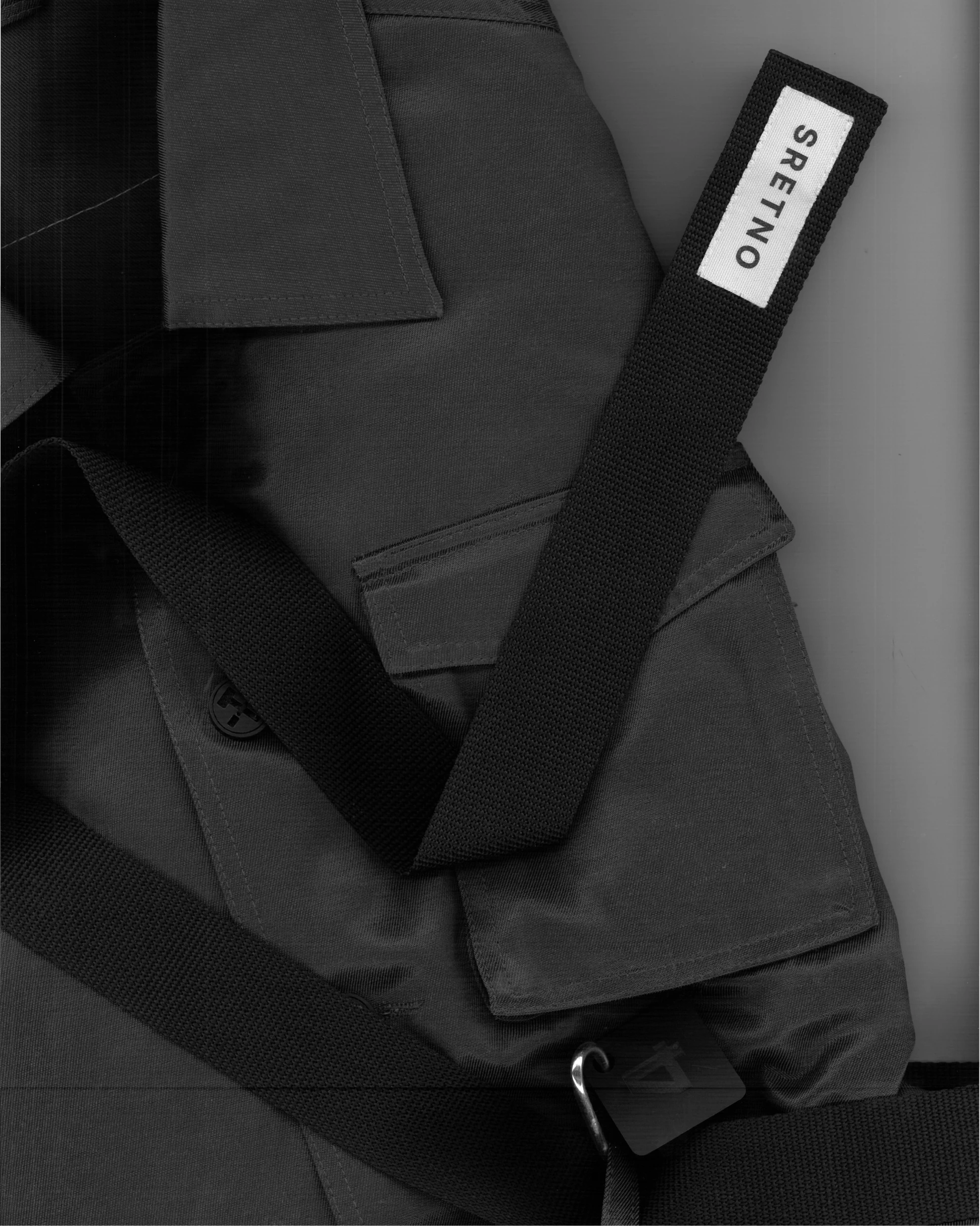
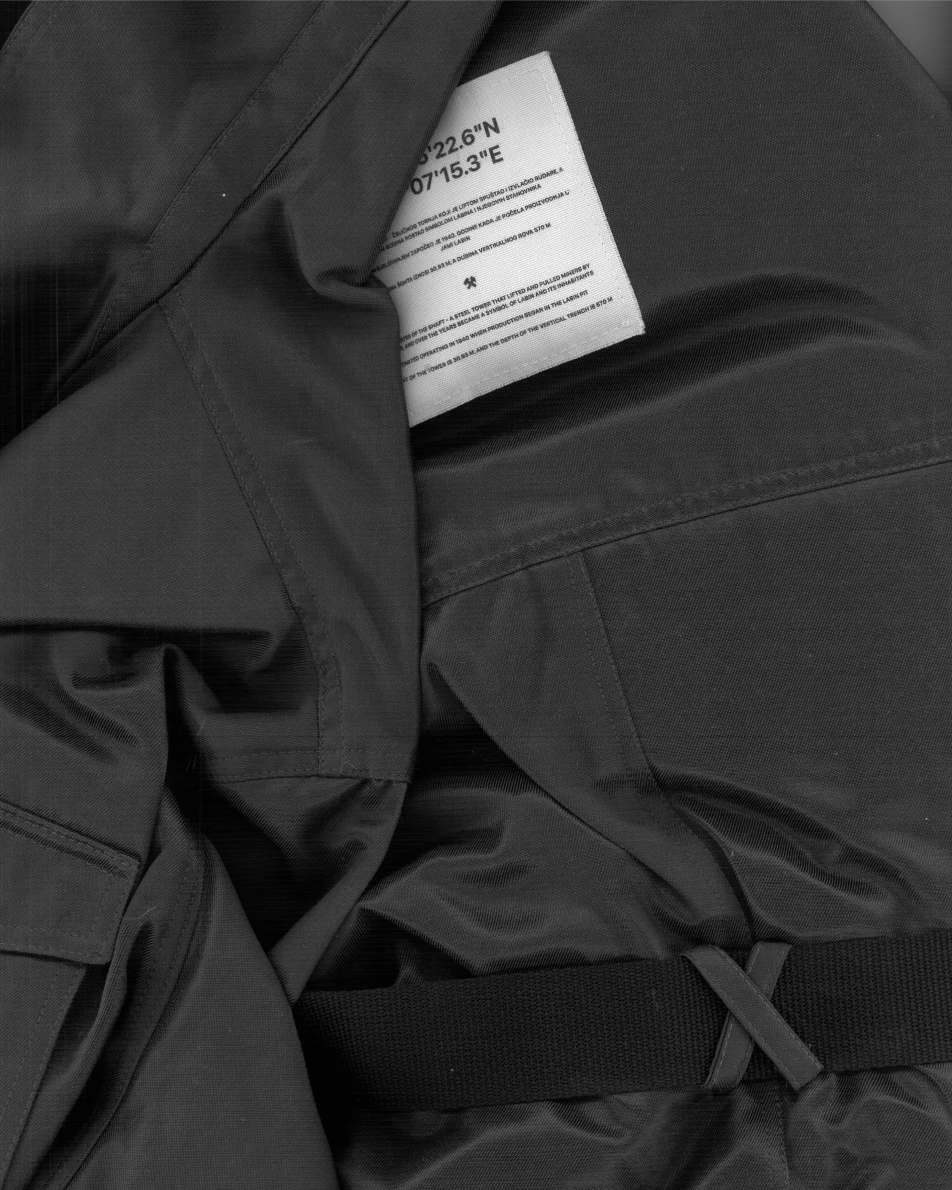
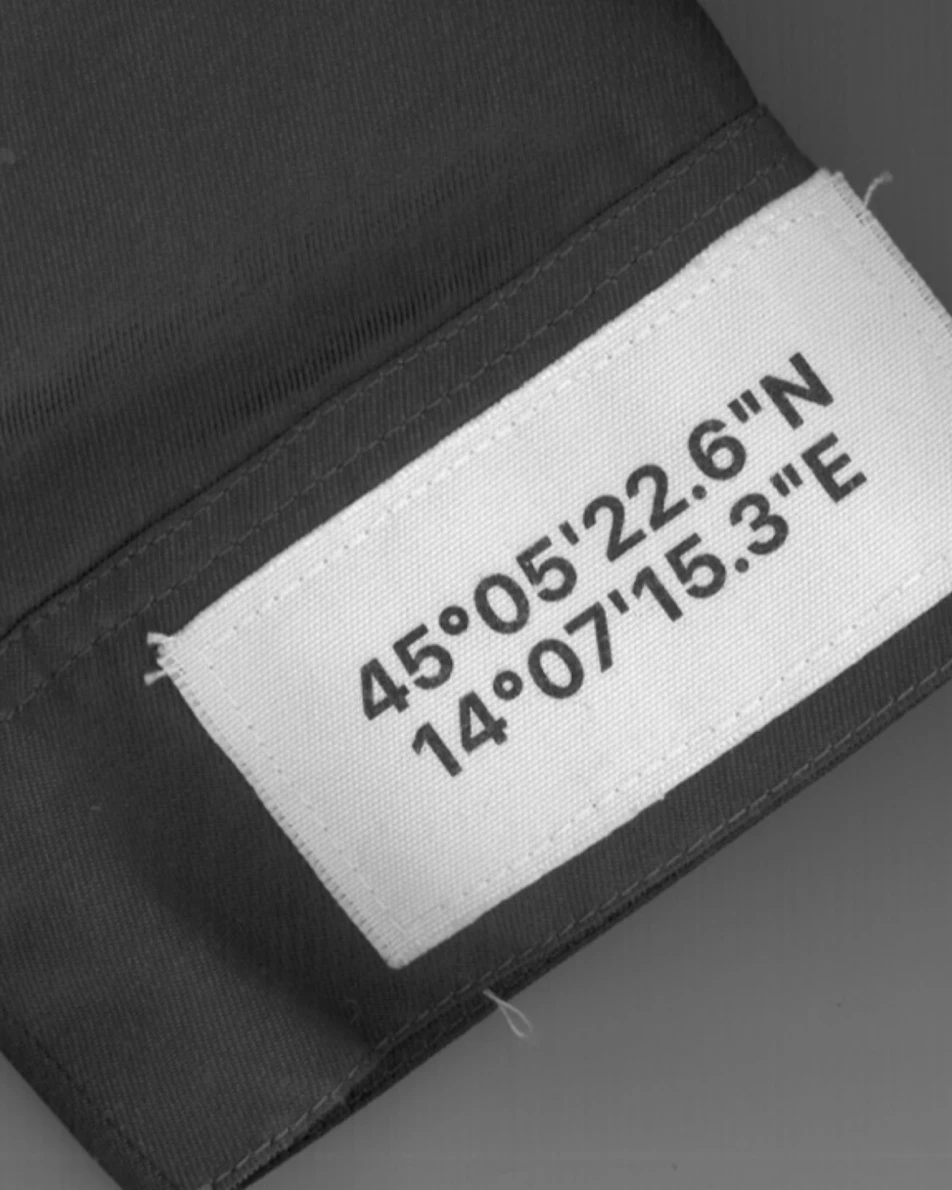
The labels were UV printed on canvas and sewn into each garment. Each one documents a key event, a date, or a figure from Labin's mining history alongside miners' greetings and symbols.